

How Abandonment Trauma Sabotaged My Relationships Until I Found Inner Child Therapy
How Inner Child Therapy Can Heal Abandonment Issues and Stop The Cycle of Rejection!
Fears of abandonment in relationships could be a sign of inner child wounds, and if you have abandonment issues, you might relate to feeling like this…
You finally met someone you really liked, and everything seemed like it was going well. They texted you every day and made you feel special. Your heart sang with every “good morning” or “good night” message… your dreams were coming true and you couldn’t stop thinking about them.
Then suddenly… you get a gnawing feeling in your gut that something is wrong, but you don’t know why. You’re sensing changes in their behaviour but you’re doubting yourself… is it just your fear of abandonment or are their texts getting less frequent and colder? You sense they’re pulling away and you’re beginning to spiral.
Searching for answers, you think about everything you could have said or done to “put them off”. You start obsessively checking their social media, looking for signs that they’ve found someone else, desperate to know if they still want you.
Checking your phone up every few minutes, your heart pounds with every notification, hoping the next one will be them. You want to message them (again) and ask what’s going on, but you fear it’s too much.
The pain of not knowing becomes unbearable. You’re confused and heartbroken. The fear sets in… it’s happened again.
The Pain of Rejection Can Be Unbearable When You have Abandonment Trauma
What happens next – you fall into a painful shame spiral, feeling desperate and out of control, you can’t stop crying. You agonise over everything you fear is wrong with you, beating yourself up for being so “pathetic”, “ugly”, “uninteresting” or any other “not enough-ness”. You feel stupid for thinking anyone like them could want you.
In your desperation you think up all kinds of ways to try and get them back or hurt them. It just doesn’t seem fair and you don’t understand what happened to push them away.
I know exactly how painful rejection can feel when your abandonment trauma is triggered, because I’ve been there myself.
When you have a deep fear of abandonment, it can feel like a huge void of emptiness in your chest, or as thought the world is caving in around you. The desperation to “make things right”, or get them to come back and love you, can make you feel crazy and out of control.
It can drive you to do things you would never normally do, and it can push people further away when they feel the intensity of your clinging to them.
After it becomes clear that they’ve gone for good, often by blocking you and banning you from their home, it can feel like the only solution is to shut down your heart and give up on love forever. But that is not the answer… and there is a better way!! I also know this because I’ve found this too.

Read on to learn how I help people heal abandonment issues with Inner Child Therapy
If you can relate to the scenario above then you’re not alone. These feelings can often be traced back to early childhood experiences where important emotional needs were not met. This can leave you repeating the same relationship patterns over again, feeling triggered into fear of rejection in moments of conflict.
As an experienced Hypnotherapist in London, I specialise in inner child therapy for abandonment issues, helping people uncover and heal the root causes of fears and low self-worth. Using powerful guided hypnosis techniques, it is possible to heal those fears and build healthy self-esteem in relationships. This helps to create a sense of safety in yourself so that no matter how people treat you, you know you are worthy and will be okay.
And the best thing is, when you heal your sense of worth you will be attracted to healthier, more secure people too! You’ll stop trying to be something you’re not and stop trying to make unavailable people want you. And, you’ll be able to spot the signs of unavailability or unhealthy attachment in others, before you get attached!
When you know you are loveable just the way you are, you’ll stop blaming yourself for every hurtful way anyone else treats you.
You can feel safe in your body when conflict arises because you know that your needs are important. You’ll know that a disagreement doesn’t mean they’ll stop loving you. It finally becomes okay to not be “perfect” – because you realise there’s no such thing!
So how do abandonment issues develop in the first place?
Every child needs emotional connection, safety, love and consistency so they can thrive; however, when these needs are not met, even unintentionally, a child may internalise feelings of rejection, fear and being unworthy of love.
These early experiences can leave behind what we often call “abandonment wounds” or “attachment injuries”, which are like deep emotional scars that imprint on the child’s psyche. These can cause us to internalise beliefs of not being good enough or being defective in some way, triggering negative self-worth and difficulty in relationships later in life.
Some things that can cause abandonment wounds include:
- Emotionally unavailable caregivers
- Divorce, separation or loss of a parent
- Neglect, either emotional or physical
- Parental addiction or mental illness
- Being sent away to boarding school, foster care or lengthy hospital stays
- Inconsistent caregiving or unpredictability in the home
Even subtle experiences can have a lasting effect, for example, a parent who is physically present but emotionally unavailable due to their own stressful circumstances, may unintentionally communicate to a child that they are not valued. Similarly, inconsistent caregiving can make a child unsure whether their needs will be met, which further plants the seeds of insecurity.
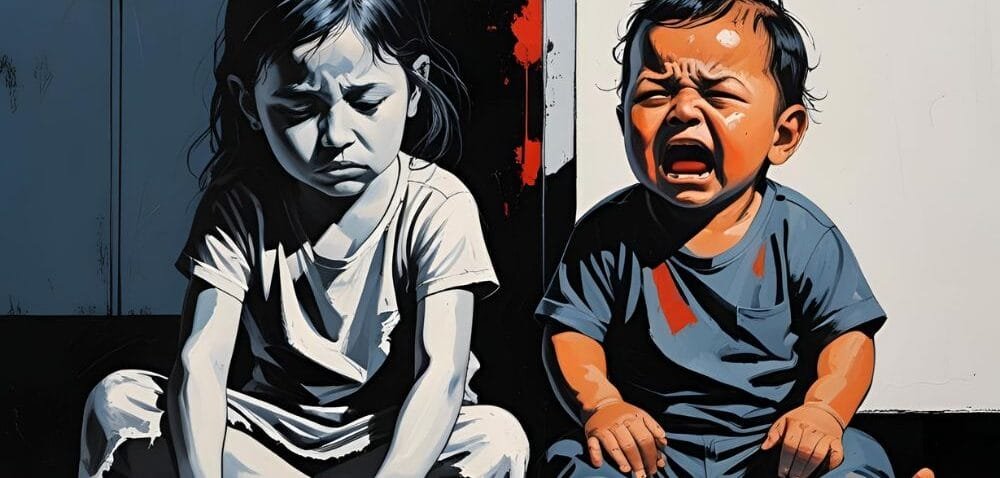
What are attachment wounds and why do they create rejection sensitivity?
Attachment wounds occur when the child experiences a painful rupture in the bond with their caregiver. These wounds can act like scars on our memory and lead to feelings of insecurity or anxiety about whether others will stay, love or value us.
Research suggests that more than 40% of adults experience some form of insecure attachment during their lifetime, which often stems from early relational experiences with caregivers.
One of the trickiest things about attachment injuries is that they aren’t always obvious. My clients often report that they had a happy childhood and that they always felt loved by their parents, and they did and were. Even in my own childhood, growing up with parents struggling with addiction, there was lots of love and happy memories. However, as John Bradshaw says – “we internalise our parents at their worst”, so the times when they snap in frustration towards our needs, shoe us away when they “don’t have time” for us, tell us that we’re being “stupid” or “bad” for crying etc., can create a landmark type memories that we go back to in later life when we feel rejected or unsafe.
The Passing Down of Trauma
Not only that, but if our parents faced their own childhood neglect or abuse, especially if untreated, they will be passing that stuff down to us as children, without even trying to or being aware of it.
Of course, it’s important to remember that attachment wounds are not always a sign of childhood abuse. They are often the result of our parents struggling with their own difficult circumstances or past trauma, but the truth is it affects your attachment system either way, and it can leave you with a huge fear of being rejected, or constantly running away from connection.
The good news is that they can be healed! And Inner Child Hypnotherapy is how I healed my own abandonment trauma and how I now help others do the same.
10 signs you have abandonment issues that might be affecting your relationships:
Abandonment issues can show up in many ways, and while everyone’s experience is unique, some common signs of abandonment issues are:
- Fear of rejection or being left, sometimes without any reason
- Difficulty trusting others
- Feeling overly dependent in relationships
- Anxiety when a partner or friend becomes distant
- Low self-esteem or feelings of unworthiness
- Struggles with setting boundaries
- Pulling away from others before they can leave you
- Perfectionism, driven by the fear of being “not good enough”
- People-pleasing tendencies to avoid disapproval
- Feeling defective and undeserving of love and connection
While this is not a comprehensive list, being able to recognise these signs is often the first step towards healing and breaking the cycle.
How Inner Child Therapy Can Heal Abandonment Issues
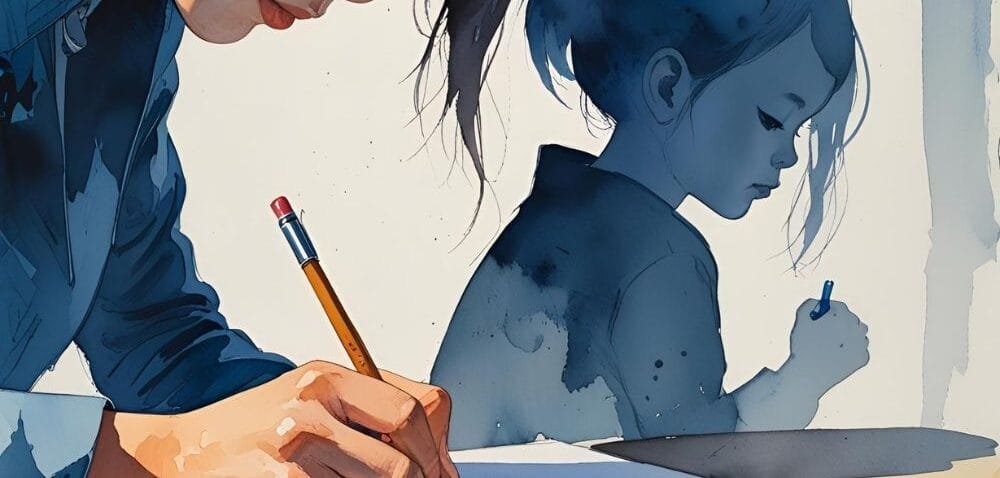
Inner child therapy is a gentle yet powerful approach that focuses on reconnecting with the younger parts of yourself that experienced emotional pain. By acknowledging and nurturing your inner child parts, they can start to feel seen, heard and cared for in ways that you didn’t experience in childhood.
In this way, Inner Child Therapy can help you to:
- Identify and release limiting beliefs rooted in the past
- Rebuild trust and safety within yourself
- Develop healthier attachment patterns in relationships
- Reduce relationship anxiety and fears of abandonment
- Cultivate self-compassion and inner strength
During this process, I’ll guide you to meet with your inner child parts, learn about their struggles and use therapeutic techniques to offer them the care and reassurance they once needed. This might include inner dialogue, techniques to discharge shame or other strong emotions, using EMDR type reprocessing or other therapeutic methods from the models that I am trained in.
Through consistent showing up and connecting with these parts, this helps to reduce the intensity of emotional triggers, improve your self-esteem and create a sense of stability within.
Inner child work is particularly effective for those dealing with attachment issues because it addresses the root of the problem rather than just the symptoms. Instead of focusing solely on managing present-day anxieties, it gently revisits the original source of the wound and creates opportunities for a corrective experience, allowing deep healing to take place.
As an inner child therapist based in London, I have worked with many individuals facing abandonment issues and attachment struggles. My background in Cognitive Hypnotherapy and trauma-informed training enables me to create a safe and supportive environment. Harnessing the power of your subconscious and inner world, I’ll guide you towards reconnecting with your true self, building resilience, and experiencing greater freedom in your relationships.
Start healing your healing journey today and find freedom from abandonment anxiety!!
Healing from abandonment and attachment wounds takes courage, but it is one of the most rewarding journeys you can take. With professional inner child therapy for abandonment issues, you can find freedom from old patterns and learn to create relationships built on trust, love and mutual respect.
Therapy is not about erasing the past, but about transforming the meaning it holds in your life. By nurturing your inner child, you can break free from the cycles of fear and step into a life where you feel secure, valued and connected.
If you are ready to take the first step towards healing, book a free consultation today and together, we can help you find lasting change.
Frequently Asked Questions
What is inner child therapy and how does it help abandonment issues?
Inner child therapy is a therapeutic approach that focuses on healing the younger parts of yourself that carry unresolved pain from childhood. For people struggling with abandonment issues, it helps uncover the root causes of insecurity, fear and attachment difficulties, allowing you to build healthier relationships and a stronger sense of self-worth. I offer inner child therapy in London and online worldwide.
Is inner child therapy the same as childhood trauma therapy?
They are closely related, and childhood trauma therapy often uses inner child work as one of its approaches. Both focus on resolving past experiences that continue to affect your adult life, but the difference is that inner child therapy specifically highlights connecting with your inner child to repair unmet emotional needs.
How long does it take to see results from inner child therapy?
Every person’s journey is unique. Some clients begin to notice positive changes after just a few sessions, while for others the process is more gradual. Healing attachment issues often requires time and patience, as you are gently unlearning old patterns and building new, healthier ways of relating to yourself and others.
Can inner child work help with other issues besides abandonment?
Yes. While it is especially effective for abandonment and attachment wounds, inner child work can also help with low self-esteem, anxiety, depression, perfectionism and difficulties with trust. Many clients find it creates an overall sense of peace and connection that improves multiple areas of life.
Why work with me for Inner Child Therapy in London and online?
I combine Cognitive Hypnotherapy with Inner Child Therapy to provide a powerful, tailored approach. I have trained in a range of therapeutic models which I integrate into our sessions, so we have a wide variety of tools we can use to support you with whatever comes up. As a trained trauma informed therapist, I help create a safe environment to do this deep work, no matter where you are in the world or on your journey. Book a free discovery call today to explore how we can work together and how inner child hypnotherapy can help you.